
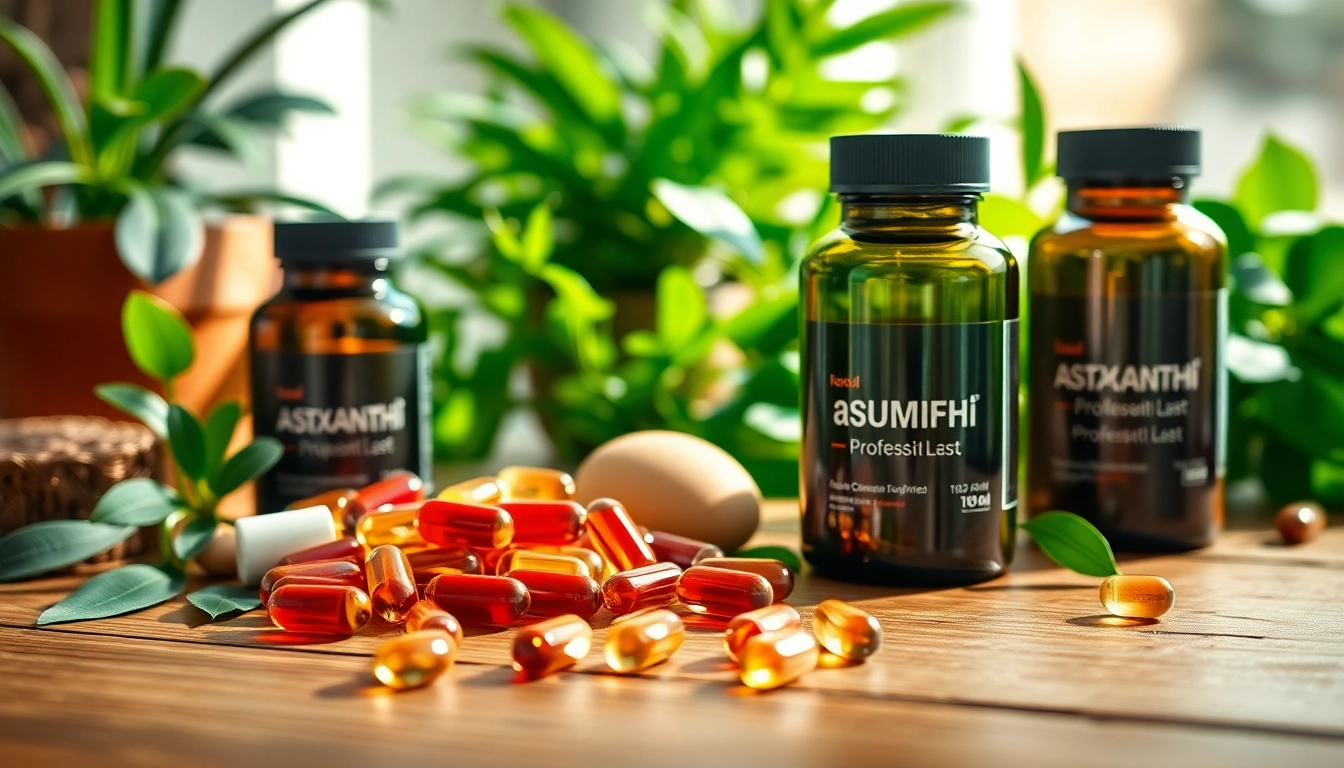
What is Astaxanthin and Its Benefits?
Overview of Astaxanthin
Astaxanthin is a powerful carotenoid pigment found in various marine organisms, most notably in salmon, shrimp, and microalgae. Recognized for its vibrant red-orange hue, astaxanthin is not just a coloring agent; it is a potent antioxidant that has garnered attention for its potential health benefits. Unlike some other carotenoids, astaxanthin cannot be converted into vitamin A in the human body, making it unique in its functioning and benefits. Its effectiveness as a health supplement has led to a surge in popularity in recent years, particularly among those looking to enhance their overall wellness.
Health Benefits of Astaxanthin
Astaxanthin boasts a wide range of health benefits, primarily due to its remarkable antioxidant properties. Some of the most notable advantages include:
- Enhanced skin health: Astaxanthin has been shown to improve skin elasticity, reduce the appearance of fine lines, and protect against UV damage, making it a popular ingredient in skincare products.
- Eye health: This carotenoid may support eye function and help protect against age-related macular degeneration (AMD) due to its ability to cross the blood-retinal barrier.
- Cardiovascular support: Astaxanthin may help reduce oxidative stress and inflammation, potentially lowering the risk of heart disease.
- Improved athletic performance: Some studies suggest that astaxanthin can enhance endurance, accelerate recovery, and improve muscle strength.
- Anti-inflammatory properties: Its ability to reduce inflammation makes it beneficial in managing chronic conditions like arthritis and other inflammatory diseases.
How Astaxanthin Works in the Body
Astaxanthin’s antioxidant efficacy is attributed to its unique molecular structure, allowing it to neutralize free radicals without becoming reactive itself. This feature plays a crucial role in reducing oxidative stress and improving cellular health. Furthermore, astaxanthin enhances mitochondrial function, boosts energy production, and reduces inflammation by downregulating pro-inflammatory cytokines. By incorporating astaxanthin into your daily regimen, you may support your body’s natural defense mechanisms against oxidative damage, thereby promoting overall health and wellness.
Determining Optimal Astaxanthin Dosage
Factors Influencing Dosage
When determining the optimal astaxanthin dosage, several factors come into play:
- Individual health conditions: People with specific health concerns, such as autoimmune diseases or skin issues, may require different dosages based on their conditions.
- Age: Younger adults may metabolize substances differently than older adults, influencing the effective dosage needed.
- Weight: Body weight can impact how the body utilizes astaxanthin, with heavier individuals possibly needing higher dosages.
- Diet: Individuals with diets high in carotenoids may require less external supplementation due to their natural intake.
Recommendations for Daily Intake
The recommended daily intake of astaxanthin typically falls in the range of 4 mg to 12 mg. Research suggests that a dosage of 6 to 8 mg per day may provide significant health benefits for most individuals. However, many athletes and those looking for enhanced performance may benefit from higher doses, often reaching up to 12 mg per day. It is essential to consult a healthcare provider to tailor the dosage to personal health goals and needs. For precise guidance, please refer to the optimal astaxanthin dosage recommendations.
Special Considerations for Different Populations
Different populations may have specific astaxanthin dosage requirements. For example:
- Athletes: Individuals engaged in intense physical activities may require higher doses to aid recovery and improve performance.
- Older adults: Aging can necessitate higher doses to combat increased oxidative stress and support cognitive function.
- Pregnant or nursing women: Caution is advised, and consulting with a healthcare professional is essential for safe usage during these periods.
Forms of Astaxanthin Available
Natural vs. Synthetic Sources
Astaxanthin can be sourced naturally or synthetically. Natural astaxanthin is derived from microalgae such as Haematococcus pluvialis and is often deemed superior due to its bioavailability and efficacy. Synthetic versions, generally less expensive, may not offer the same health benefits and are often scrutinized for their absorption rates in the body. Therefore, choosing natural sources is often recommended for those prioritizing health benefits over cost savings.
Supplement Forms: Capsules, Powders, and More
Astaxanthin is available in various forms, including capsules, softgels, and powders. Capsules and softgels are popular due to their convenience and dosage accuracy. Powders can be more versatile, easily integrated into smoothies, juices, or other meal preparations. Regardless of the form, it is crucial to select a high-quality product, ensuring proper packaging to protect against light and oxidation, which can degrade astaxanthin’s effectiveness.
Consumer Safety and Quality Checks
When purchasing astaxanthin supplements, consumers should prioritize products that have undergone third-party testing for purity and potency. This reduces the risk of contamination and ensures that the dosage stated on the label is accurate. Additionally, selecting products from reputable manufacturers with transparent sourcing practices can enhance consumer confidence and safety.
Potential Side Effects and Interactions
Common Side Effects of Astaxanthin
While astaxanthin is generally considered safe for most people when taken within recommended dosages, some may experience mild side effects. These can include:
- Skin discoloration: A temporary reddish hue may occur with higher doses.
- Gastrointestinal upset: Some individuals experience nausea or stomach discomfort.
- Changes in hormonal balance: Although rare, astaxanthin can interact with hormonal pathways.
Monitoring your response when starting astaxanthin supplementation is crucial, adjusting the dosage if necessary.
Drug Interactions and Contraindications
Astaxanthin may interact with certain medications, particularly those affecting blood pressure, anticoagulants, or medications for hormone-related conditions. Individuals on medication should consult with healthcare professionals before beginning supplementation to mitigate potential interactions and side effects.
When to Consult a Healthcare Provider
Consulting a healthcare provider is advisable if you experience any adverse effects or have existing health conditions that might complicate astaxanthin supplementation. Additionally, those planning to start astaxanthin while pregnant, breastfeeding, or on prescribed medications should seek professional guidance to ensure safety.
Frequently Asked Questions about Astaxanthin
How much astaxanthin should I take daily?
The typical recommended daily dosage ranges from 4 mg to 12 mg, with many people finding 6 to 8 mg effective for health benefits.
Can I take astaxanthin with other supplements?
Yes, astaxanthin can be safely taken with other supplements, but it’s wise to consult with a healthcare professional for tailored advice.
Is natural astaxanthin better than synthetic?
Natural astaxanthin is generally regarded as more effective and bioavailable compared to synthetic forms.
What are the best times to take astaxanthin?
Astaxanthin is best taken with meals to enhance absorption, particularly with fats, as it’s a fat-soluble antioxidant.
Are there any long-term effects of astaxanthin use?
Long-term studies indicate that astaxanthin is safe for continuous use at recommended dosages, though further research is ongoing.


