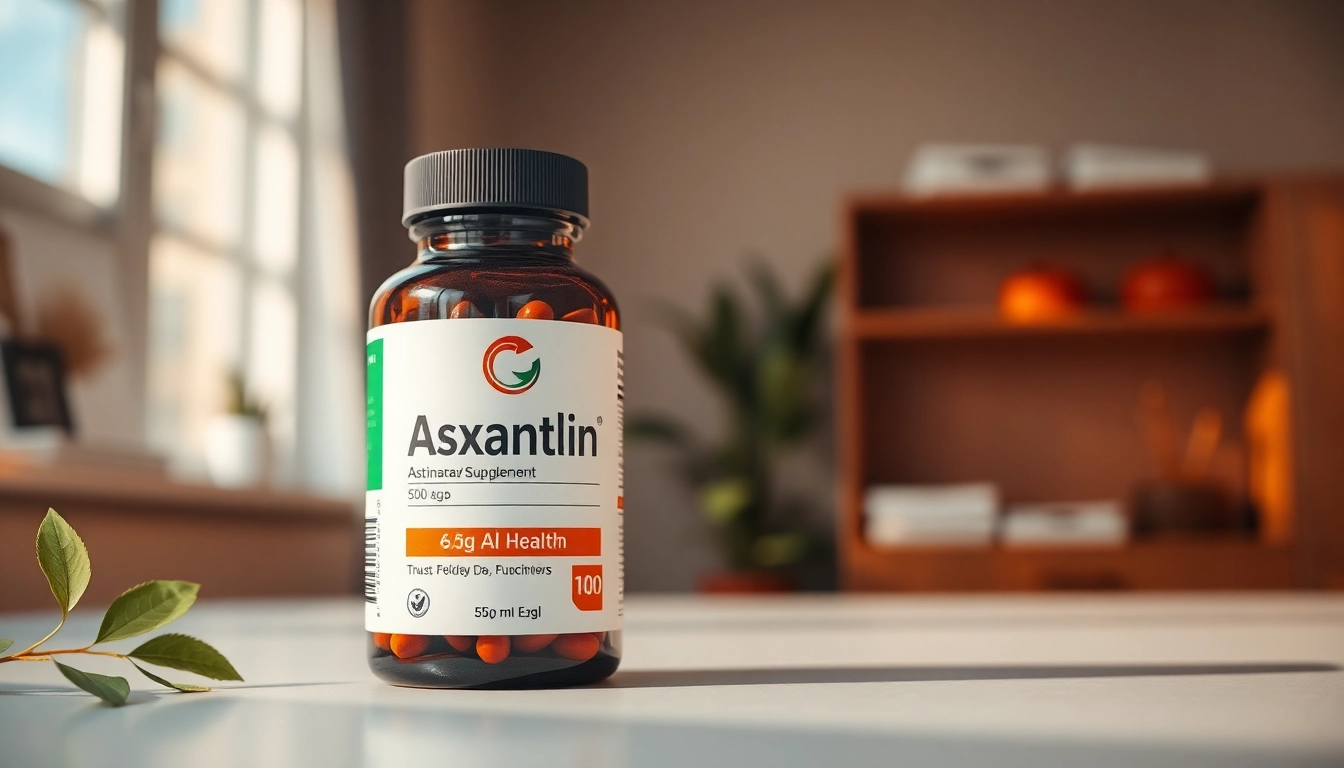
Introduction to Astaxanthin
Astaxanthin is a fascinating compound that has garnered significant attention due to its potent antioxidant properties and numerous health benefits. This naturally occurring carotenoid is primarily found in a variety of algae, marine life, and some bird species, primarily flamingos, which acquire their pink hue from this powerful pigment. The spotlight on astaxanthin is attributed to its role in promoting health and wellness, particularly in terms of reducing oxidative stress, enhancing endurance, and supporting skin health. Understanding how to optimize its intake can play a vital role in maximizing its benefits.
What is Astaxanthin?
Astaxanthin is a member of the carotenoid family, which are pigments responsible for the red and orange colors found in many plants and animals. Being a potent antioxidant, astaxanthin stands out among other carotenoids due to its unique molecular structure, allowing it to function effectively in both lipid and aqueous environments. This versatility enables it to combat oxidative damage and inflammation throughout various body tissues, making it a prime candidate for supplementation aimed at enhancing overall health.
Health Benefits of Astaxanthin
The health benefits of astaxanthin are extensive and varied, appealing to those interested in natural health solutions. Here are some key benefits backed by recent research:
- Anti-Inflammatory Properties: Astaxanthin has been shown to reduce inflammation markers in the body, which is valuable for individuals with chronic inflammatory conditions.
- Skin Protection: Studies suggest that astaxanthin may improve skin elasticity, hydration, and UV resistance, making it a popular choice for skincare.
- Eye Health: Antioxidants like astaxanthin can help protect against oxidative stress in eye tissues, potentially lowering the risk of age-related macular degeneration.
- Physical Endurance: Athletes often use astaxanthin for its potential to enhance endurance and recovery, as it may improve muscle performance and reduce oxidative damage during intense exercise.
- Heart Health: Astaxanthin may help improve lipid profiles and reduce the risk factors associated with heart disease, such as high cholesterol and blood pressure.
Sources of Astaxanthin
While astaxanthin can be synthesized in labs, it is most commonly obtained from natural sources. Some of the richest sources include:
- Microalgae: The primary source of astaxanthin, particularly Haematococcus pluvialis, a green microalga known for its high astaxanthin content.
- Seafood: Various marine animals like shrimp, salmon, and lobster contain astaxanthin, contributing to their coloration and health benefits.
- Eggs from Astaxanthin-rich poultry: Chicken eggs can contain astaxanthin if the hens are fed a diet rich in this carotenoid.
Optimal Astaxanthin Dosage
Determining the optimal astaxanthin dosage can be challenging due to factors like individual health goals, existing conditions, and dietary habits. It is essential to tailor your intake to maximize benefits and minimize risks.
Recommended Dosage Guidelines
General recommendations for astaxanthin dosage vary based on individual health needs and specific health outcomes desired:
- Daily Maintenance: For general health and antioxidant support, 4-12 mg per day is often suggested.
- For Athletes: Those engaging in high-intensity training may benefit from 12-24 mg per day to enhance recovery and performance.
- Skin Health: For evidence-backed skin benefits, a range of 6-12 mg per day can be effective.
Factors Affecting Dosage Requirements
Several individual factors can influence the optimal dosage of astaxanthin:
- Age: Older individuals may metabolize supplements differently, potentially requiring adjustments in dosage.
- Health Conditions: People with chronic inflammatory or degenerative conditions may require higher doses for therapeutic effects.
- Diet: A diet rich in fats can improve the absorption of astaxanthin, which might influence the dosage needed for effectiveness.
- Activity Levels: Those who engage in higher physical activity may find that adjusting their dosage helps support performance and recovery.
How to Measure Your Dosage
Astaxanthin is available in various forms, including capsules, soft gels, and liquid. When measuring your dosage, consider the following tips:
- Read Labels Carefully: Different brands may have varying concentrations. Choose products that clearly state their astaxanthin content.
- Use a Consistent Measuring Tool: If using liquid forms, ensure consistent measurement with tools like droppers or syringes.
- Consult a Healthcare Provider: For personalized recommendations and adjustments, particularly if taking other medications or supplements.
Potential Side Effects of Astaxanthin
While astaxanthin is generally considered safe, it is crucial to be aware of potential side effects and interactions, particularly in high doses.
Common Side Effects
Some users may experience side effects, which can include:
- Skin Color Changes: Astaxanthin can give the skin a yellow or orange tint when taken in high doses.
- Digestive Upset: Some individuals may experience stomach discomfort, nausea, or diarrhea.
- Allergic Reactions: Though rare, some might be allergic to astaxanthin, leading to rashes or other symptoms.
Interactions with Other Supplements
Astaxanthin may interact with certain medications or supplements. It’s essential to be cautious, particularly if taking:
- Blood Thinners: Astaxanthin may have a mild anticoagulant effect.
- Other Antioxidants: Combining with other strong antioxidants may alter absorption or efficacy.
How to Mitigate Risks
To ensure safe and effective use of astaxanthin, consider the following measures:
- Start Slow: Begin with lower doses, gradually increasing based on personal response and health goals.
- Monitor Effects: Keep track of any side effects or changes in health and consult with a healthcare provider as needed.
- Consult a Professional: Prior to starting any new supplement, discussing it with a qualified professional is wise.
Astaxanthin and Overall Wellness
Integrating astaxanthin into your daily health routine can yield substantial benefits, particularly when aligned with a holistic wellness approach.
Integrating Astaxanthin into Your Routine
Here are practical steps to effectively incorporate astaxanthin into your daily regimen:
- Pair with Healthy Fats: Taking astaxanthin with meals rich in healthy fats can boost its absorption.
- Consistency is Key: Regular intake increases the likelihood of experiencing desired benefits.
- Combine with a Healthy Lifestyle: A balanced diet, exercise, and stress management will enhance the positive effects of astaxanthin.
Astaxanthin for Athletes and Active Individuals
For athletes, astaxanthin offers a compelling advantage when integrated into training and recovery protocols. Research indicates it may improve both endurance and muscle recovery, allowing for enhanced performance. Consider including astaxanthin as part of a pre and post-workout supplementation routine.
Long-term Benefits of Daily Use
Evidence suggests that daily doses of astaxanthin can provide long-term benefits that contribute to overall health. Regular consumption may help maintain heart and eye health, enhance physical endurance, and reduce inflammation over time. Building astaxanthin into your daily life can yield cumulative benefits that support healthy aging and vitality.
FAQs about Optimal Astaxanthin Dosage
What is the ideal astaxanthin dosage for beginners?
The optimal dosage for beginners typically starts at 4 mg per day, gradually increasing based on individual needs.
Can I take astaxanthin with food?
Yes, taking astaxanthin with a meal enhances absorption due to its fat-soluble nature.
Is astaxanthin safe for long-term use?
Research suggests that astaxanthin is safe for long-term use when taken within recommended dosages.
How does astaxanthin dosage vary for different age groups?
Dosage may vary, with children often requiring less; consult a healthcare provider for personalized advice.
What should I do if I miss a dose of astaxanthin?
If you miss a dose, take it as soon as you remember unless it’s close to your next scheduled dose. Never double up.