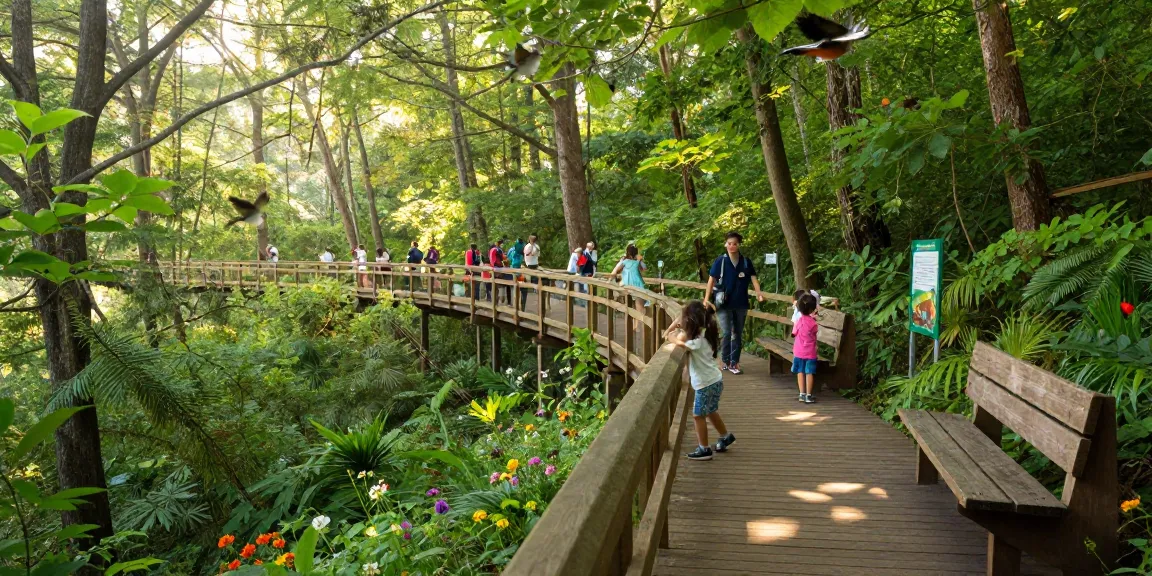
Introduction to Treetop Walkways
Welcome to the enchanting world of treetop walkways, where adventure meets tranquility among the branches of towering trees. Designed to provide visitors with an elevated perspective of nature, these architectural marvels allow you to stroll gracefully above the forest floor, immersing yourself in the sights and sounds of woodland life. As eco-tourism gains traction, treetop walkways have become increasingly popular, appealing not only to adventurers but also to families and nature lovers alike. When exploring options, Treetop Walkway provides comprehensive insights into the most breathtaking walkways available across the globe.
What is a Treetop Walkway?
A treetop walkway, also known as a canopy walkway, is an elevated path designed to provide visitors access to the upper layers of a forest's canopy. Rising anywhere from 10 to 70 feet above ground, these structures offer a unique vantage point to observe flora and fauna that would otherwise be hidden from view. Typically constructed from sustainable materials, they blend seamlessly into the environment, enhancing the natural experience rather than detracting from it. Some walkways even include educational signage to inform visitors about the biodiversity surrounding them.
History and Evolution of Treetop Walkways
The concept of treetop walkways is not a recent innovation. Similar structures date back centuries, with indigenous cultures around the world creating paths among trees for hunting, gathering, and connecting with nature. However, the modern treetop walkway phenomenon began taking shape in the late 20th century, primarily in North America and Europe, as a tool for eco-tourism and conservation. Notable examples, such as the Canopy Walk at Kakum National Park in Ghana established in 1995, have paved the way for new designs and enhanced accessibility for everyone.
Importance for Eco-Tourism and Conservation
Treetop walkways play a crucial role in eco-tourism, allowing visitors to engage with nature in a way that fosters understanding and appreciation for the ecosystem. By providing a safe and non-invasive means of exploring the canopy, these structures contribute to conservation efforts by promoting responsible tourism. Increased visitor numbers generate funds that can be reinvested into local communities and environmental protection initiatives. As a result, treetop walkways help ensure both the preservation of natural habitats and the sustainable development of tourism.
Benefits of Visiting a Treetop Walkway
Unique Perspectives of Nature
One of the most compelling reasons to visit a treetop walkway is the chance to experience nature from an entirely new vantage point. As you ascend into the treetops, the familiar landscapes below transform into a breathtaking panorama. This elevated perspective allows for remarkable views of bird nests, diverse plant species, and the layered complexity of the forest ecosystem. Many walkways are designed to offer platforms or observatories, where visitors can pause and take in the surrounding beauty or catch glimpses of wildlife in their natural habitats.
Health Benefits of Outdoor Activities
Engaging with nature has been shown to have significant mental and physical health benefits. Studies suggest that spending time outdoors can reduce stress, improve mood, and enhance overall well-being. A visit to a treetop walkway encourages physical activity through walking, hiking, and climbing, which contributes to cardiovascular health and fitness. The fresh air and exposure to sunlight also provide essential Vitamin D, supporting overall health.
Connecting with Wildlife and Ecosystems
Treetop walkways provide a unique opportunity to connect with wildlife that is often overlooked from the ground. Many species, including birds, insects, and tree-dwelling mammals, thrive in the canopy and can be observed in their natural behaviours. Walkways may also incorporate educational components that educate visitors about the importance of these ecosystems, fostering a deeper understanding of biodiversity and conservation.
Planning Your Visit
Choosing the Right Treetop Walkway for Your Needs
When planning a visit to a treetop walkway, it's essential to consider your personal interests, accessibility needs, and location. Popular destinations such as the Kew Gardens Treetop Walkway in London or the Wild Walk at The Wild Center in New York offer varied experiences. Researching the treetop walkways available can help you choose one that aligns with your interests, whether you seek breathtaking views, educational opportunities, or thrilling adventures.
Accessibility and Visitor Information
Before embarking on your treetop adventure, it’s important to check the accessibility options available at your chosen location. Many treetop walkways are designed to accommodate visitors of all ages and abilities, with smooth pathways and ramps. It is advisable to visit the official website for specific information on opening hours, admission fees, and any potential restrictions or guidelines to ensure a smooth and enjoyable experience.
What to Bring for Your Adventure
To make the most of your visit, be sure to prepare adequately. Comfortable walking shoes are a must, as many walkways require a bit of walking and standing. Dress in layers, as temperatures can vary within the canopy compared to the ground level. A reusable water bottle, sunscreen, and binoculars for birdwatching are also great additions to your packing list, enhancing your overall experience.
Safety Tips for Treetop Walkway Adventures
Understanding Height and Exposure Risks
While treetop walkways are designed with safety in mind, being in elevated positions can induce anxiety for some individuals. It’s crucial to understand your comfort levels with heights. Many walkways are equipped with safety rails and guidance signage. Always stay within the designated paths, and avoid leaning over the edges to ensure personal safety.
Guidelines for Family Visits
Families visiting a treetop walkway should keep a few safety considerations in mind. Supervise children closely, especially near the edges, and ensure they understand the importance of staying on designated paths. Taking breaks on observation platforms can reduce fatigue and provide opportunities for children to engage with the environment without feeling rushed.
Emergency Procedures and First Aid
Familiarising yourself with emergency procedures ahead of your visit can provide peace of mind. Most treetop walkways have clearly marked emergency exits and first aid stations. Ensure you know where these are located and report any incidents immediately to staff. Carrying a small first aid kit can also be beneficial for minor scrapes or bruises during your adventure.
Future Trends in Treetop Walkways
Innovative Designs and Sustainable Practices
The future of treetop walkways is bright, with innovative designs and sustainable practices emerging. Architects are now exploring eco-friendly materials, such as recycled wood and composite materials, to reduce the environmental impact of these structures. Moreover, designs are increasingly incorporating elements that mimic the shape of trees, creating walkways that blend seamlessly with their surroundings while enhancing visitor experience.
Predicted Growth in Eco-Tourism by 2026
As the global focus on conservation and eco-tourism continues to grow, the popularity of treetop walkways is expected to rise. More destinations are likely to invest in such attractions, recognising their potential for attracting visitors and generating revenue. Analysts predict that by 2026, eco-tourism will constitute a significant portion of the travel industry, with treetop walkways at the forefront of this trend.
Integrating Technology for Enhanced Experiences
The integration of technology into treetop walkways is a promising avenue for enhancing visitor experiences. Augmented reality applications, interactive displays, and audio guides can provide deeper insights into the ecology of the areas. Additionally, online platforms may offer virtual tours, allowing people to experience treetop walkways from the comfort of their homes before embarking on real-life adventures.
Is a treetop walkway worth visiting?
Absolutely! Treetop walkways offer a unique and immersive experience that connects visitors with nature while promoting health and environmental consciousness. Whether you are an avid hiker, a family looking for an engaging day out, or a nature enthusiast, a visit to a treetop walkway promises to be memorable.
How can I find a treetop walkway near me?
To locate a treetop walkway near you, consider searching online or visiting dedicated websites that focus on eco-tourism and nature experiences. Local parks, nature reserves, and botanical gardens are also excellent places to start your search.
What safety measures are in place at treetop walkways?
Most treetop walkways are built with safety as a priority, featuring durable railing systems, safety signage, and emergency procedures. Staff members are often trained in first aid and emergency response, ensuring a safe environment for all visitors.
How long do treetop walkways typically last?
The longevity of treetop walkways varies based on factors such as construction materials, maintenance, and environmental conditions. Generally speaking, with proper care, these walkways can last several decades, providing a long-term benefit to the environment and eco-tourism.
What should I wear for a visit to a treetop walkway?
For your visit to a treetop walkway, wear comfortable clothing and sturdy footwear suitable for walking. Weather-appropriate gear, such as rain jackets or hats, can also enhance your experience and ensure you remain comfortable throughout your adventure.