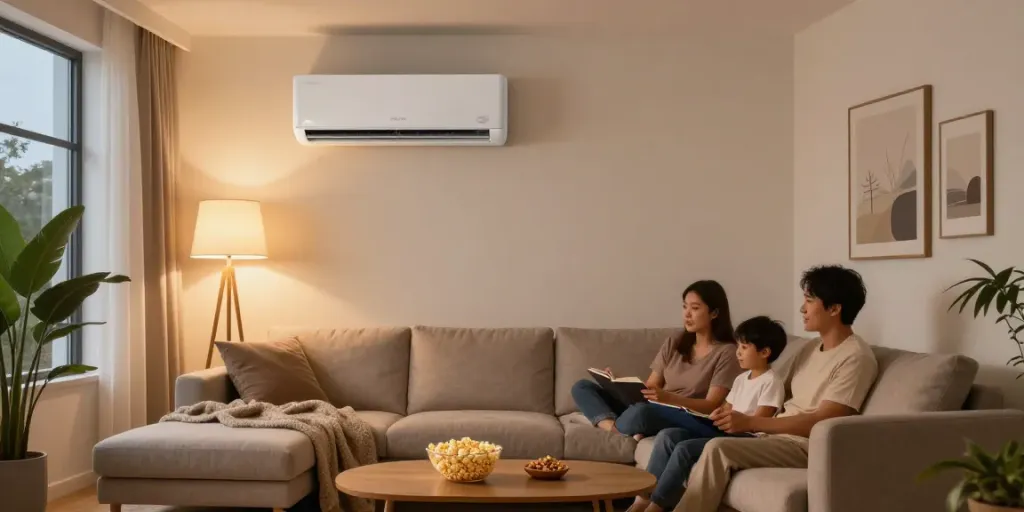
Understanding the Mini Split 12000 BTU System
As the demand for efficient and flexible heating and cooling solutions grows, the mini split 12000 btu system has emerged as a popular choice among homeowners and businesses alike. This versatile air conditioning system offers a host of benefits, including energy efficiency, space-saving designs, and the ability to provide targeted climate control for individual rooms or zones. Understanding the nuances of a mini split system can help you make a well-informed decision for your HVAC needs.
What is a Mini Split 12000 BTU Air Conditioner?
A mini split 12000 BTU air conditioner is a ductless system designed to efficiently heat and cool spaces ranging from 450 to 750 square feet. This capacity makes it ideal for various settings, such as small to medium-sized homes, offices, and even commercial spaces. The unit consists of two primary components: an indoor air-handling unit and an outdoor condenser. These two parts are connected by refrigerant lines, allowing for flexibility in installation without the need for ductwork.
Benefits of Mini Split Systems
- Energy Efficiency: Mini split systems are known for their high energy efficiency ratings, resulting in lower utility bills.
- Flexibility: They can be installed in numerous locations, allowing for customized heating and cooling options.
- Noise Reduction: These systems operate more quietly than traditional HVAC systems, making them suitable for bedrooms and offices.
- Installation Ease: Without the need for ductwork, installation can be quicker and less invasive.
- Smart Technology: Many mini split systems now come equipped with Wi-Fi connectivity for remote access and control.
Key Features of 12000 BTU Units
When evaluating different mini split systems, it’s essential to consider the key features that can impact performance and usability. Here are some notable aspects that set 12000 BTU units apart:
- Inverter Technology: This technology allows the compressor to adjust its speed based on the room's requirements, enhancing energy efficiency.
- SEER Ratings: Aim for units with a Seasonal Energy Efficiency Ratio (SEER) of 15 or higher for optimal savings.
- Heat Pump Capabilities: Most mini splits offer heating functionality, providing year-round climate control.
- Filter Systems: High-quality air filters enhance indoor air quality by trapping dust and allergens.
Comparing Energy Efficiency Ratings
Understanding energy efficiency ratings can significantly influence your purchasing decision. The ratings provide insight into a unit’s operating costs and environmental impact.
SEER Ratings Explained
Seasonal Energy Efficiency Ratio (SEER) measures the cooling output during a typical cooling season divided by the total energy consumed in watt-hours. A higher SEER rating indicates greater efficiency. For example, a mini split with a SEER rating of 20 will typically consume less energy and therefore cost less to operate than a unit with a SEER of 12.
How to Choose an Energy-Efficient Model
When selecting a mini split system, look for the following:
- SEER Rating: Choose a unit with a SEER rating of 15 or higher.
- Energy Star Certification: This label indicates that the model meets energy efficiency guidelines set by the Environmental Protection Agency.
- Variable Speed Compressors: These models adjust their output based on the cooling load, enhancing energy savings.
Cost Savings with High SEER Mini Splits
Investing in a high SEER mini split unit can lead to significant long-term savings. For instance, upgrading from a unit with a SEER of 10 to one with a SEER of 20 can reduce cooling costs by up to 50%. This not only benefits your wallet but also helps reduce your carbon footprint, making it an environmentally friendly choice.
Installing Your Mini Split 12000 BTU System
Proper installation is crucial for the optimal performance of your mini split system. You can choose between professional installation or a do-it-yourself (DIY) approach, depending on your skill level and comfort with such projects.
Professional vs. DIY Installation
While professional installation ensures that the system is installed correctly and efficiently, it can be costly. DIY installation can save money, but it requires careful planning, knowledge of electrical systems, and basic plumbing skills. Always consult the manufacturer’s guidelines and local building codes before proceeding with a DIY installation.
Steps for Installing a Mini Split Unit
- Choose the location for the indoor and outdoor units, ensuring they are within reach of the refrigerant lines.
- Mount the indoor unit on the wall, using the appropriate hardware for stability.
- Install the outdoor condenser unit on a stable surface, ensuring proper airflow and drainage.
- Connect the refrigerant lines and electrical connections according to the manufacturer’s instructions.
- Test the system for proper operation and leaks before sealing any openings.
Common Installation Challenges and Solutions
Common challenges during installation include:
- Improper Sizing: Ensure the unit is appropriately sized for the space. Refer to cooling load calculators for best results.
- Finding the Right Location: The outdoor unit should be placed in a location that allows for adequate airflow. Avoid placing it under overhangs or near obstructions.
- Electrical Issues: Ensure your home’s electrical system can support the additional load from the mini split system.
Maintaining Your Mini Split System
Regular maintenance is crucial in prolonging the lifespan of your mini split system and ensuring efficient operation. Here are some essential maintenance tips.
Regular Maintenance Tips
- Clean Filters: Wash or replace air filters every 1-3 months to ensure proper airflow and efficiency.
- Inspect Drainage: Check the condensate drain for clogs to prevent water damage and mold growth.
- Annual Professional Service: Schedule a maintenance check with a certified technician at least once a year.
Signs Your Mini Split Needs Service
Be alert for the following signs that could indicate a need for servicing:
- Unusual noises from the unit.
- Poor airflow or inconsistent temperatures.
- Increased energy bills without a change in usage.
DIY Maintenance Practices for Homeowners
Homeowners can take proactive steps to maintain their mini split systems:
- Regularly clean the outdoor unit to prevent debris buildup.
- Check for signs of refrigerant leaks; a professional technician should handle any leaks.
- Monitor the indoor unit for signs of moisture or mold, addressing issues promptly.
Future Trends in Mini Split Technology
As technology advances, mini split systems are evolving to offer even greater efficiency and convenience. Here are some trends to watch for in 2026 and beyond.
Advancements in Energy Efficiency for 2026
Expect to see mini split systems with even higher SEER ratings, potentially exceeding 25 in some models. Enhanced inverter technology will continue to improve energy management, allowing for more precise climate control and further reducing operating costs.
Smart Mini Split Features: What to Expect
Smart features are becoming increasingly common, enabling homeowners to control their systems via apps and voice commands. Look for features such as integration with smart home systems, energy usage monitoring, and automated scheduling based on lifestyle patterns.
The Environmental Impact of Ductless Systems
Ductless mini split systems are generally more environmentally friendly than traditional HVAC systems because they use less energy and do not require extensive ductwork, which can contribute to energy loss. As more people consider sustainability, the popularity of ductless solutions is likely to increase.
How many square feet will a 12000 BTU mini split run?
A 12000 BTU mini split typically cools effectively in spaces ranging from 450 to 750 square feet, depending on factors including insulation and orientation.
What are the disadvantages of a 12000 BTU mini split?
Some potential disadvantages include the higher initial cost compared to traditional systems and the need for professional installation. Additionally, if not sized correctly, they can underperform or overwork.
How much does a fully installed 12,000 BTU mini split cost?
The total cost for a fully installed 12,000 BTU mini split system typically ranges between $2,800 and $4,800, depending on factors such as brand, model, and local labor rates.
What size breaker do I need for a 12,000 BTU mini split?
Most 12,000 BTU mini split air conditioners require a dedicated 15 to 20 amp circuit breaker, depending on the specific unit's electrical requirements.
What is the average lifespan of a mini split system?
With proper maintenance, a mini split system can last between 15 to 20 years, making regular servicing essential for longevity.