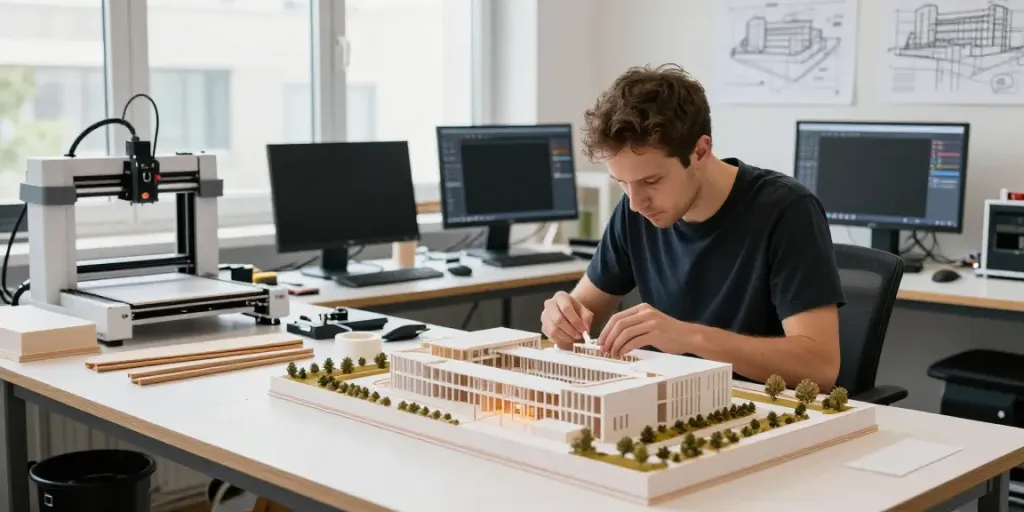
Understanding Architectural Model Making
Architectural model making is the intricate craft of creating physical representations of buildings, structures, and landscapes. This art form is crucial in the fields of architecture, urban design, and real estate, allowing stakeholders to visualize and engage with a proposed project before it becomes a reality. High-quality models not only showcase the aesthetic aspects but also convey the functional design, making them invaluable tools for architects, developers, and clients alike. When exploring options, Architectural model maker Germany excels in producing models that meet exact specifications while satisfying client expectations.
What is Architectural Model Making?
Architectural model making involves constructing scaled-down versions of buildings or environments, typically for use in presentations, design reviews, or educational purposes. The models serve multiple functions, from aiding in the visualization of the final product to facilitating discussions with clients and stakeholders. In today's fast-paced market, an effective architectural model can become a deciding factor in project approval and funding.
The Importance of High-Quality Models
High-quality models are essential because they provide a tangible representation of concepts that are often abstract. Poorly crafted models can misrepresent an architect's vision, leading to misunderstandings and potential project delays. Clients are more likely to invest in a project when they can see a realistic interpretation of their ideas. A professional architectural model maker employs precision and attention to detail, ensuring that every aspect of the model reflects the true essence of the design.
Common Materials Used in Model Making
Architectural models can be made from a variety of materials, each chosen for specific properties. Common materials include:
- Wood: Ideal for creating sturdy structures, offering a natural finish.
- Acrylic: Lightweight and transparent, perfect for more refined details.
- Foam: Often used for terrain modeling, due to its ease of cutting.
- Cardboard: Cost-effective for preliminary models.
- 3D printed plastics: Allow for intricate designs and rapid prototyping.
Key Techniques for Precision in Model Building
In architectural model making, precision is crucial. Using advanced techniques ensures that models are not only visually appealing but also structurally accurate. Various methods and technologies are employed to achieve these high standards.
Utilizing CAD Software Effectively
Computer-Aided Design (CAD) software, such as SketchUp, is foundational in modern architectural model making. It provides designers with the ability to create detailed digital models that can be easily modified and adapted. The digital outputs serve as blueprints for the physical models, allowing for more efficient and accurate construction.
The Role of 3D Printing in Modern Model Making
The advent of 3D printing has revolutionized architectural model making. This technology allows for rapid prototyping and the creation of complex geometries that would be challenging to achieve through traditional methods. 3D printing facilitates a level of detail and accuracy that enhances the overall quality of the model, making it an indispensable tool for architectural firms.
Best Practices for Laser Cutting and CNC Milling
Laser cutting and CNC milling are techniques that ensure high precision in the fabrication of model components. Laser cutting works well for creating intricate designs in thin materials, while CNC milling is used for shaping more robust substances. Both methods contribute to clean edges and fine details, essential for professional architectural models.
Types of Models Offered by Architectural Model Makers
Architectural model makers provide a diverse range of models tailored to various needs and contexts. Each type of model serves distinct purposes and is made using different techniques and materials.
Presentation and Demonstration Models
These models are primarily designed for visual impact, often used in presentations to investors or stakeholders. They are crafted to highlight the key features of the project, showcasing the design's aesthetics and potential functionality.
Competition and Urban Planning Models
These models often play a vital role in architectural competitions and urban planning discussions. They need to convey not just the individual building but how it fits within the larger context of the environment, highlighting aspects such as landscaping, traffic flow, and community integration.
Interactive and Multimedia Models
Modern model making has evolved to include interactive models that incorporate elements such as lighting, moving parts, and electronic components. These models allow viewers to engage dynamically, enhancing understanding and appreciation of the design intent.
Meeting Client Needs and Expectations
Understanding and addressing client needs is a cornerstone of successful architectural model making. Engaging with clients throughout the process ensures that the final model aligns with their vision and requirements.
Engagement Strategies for Client Collaboration
Effective communication with clients is essential for successful project outcomes. Regular updates, feedback sessions, and collaborative discussions can significantly improve the alignment between client expectations and the model's final delivery. Utilizing virtual meetings and presentations can also facilitate better collaboration, especially for clients located far from the model-making studio.
Ensuring Satisfaction Through Quality Control
Quality control throughout the model-making process is crucial. This involves regular checks at each stage of production to ensure standards are met. Clients appreciate when their feedback is taken seriously, leading to a finished product they are proud to present.
Case Studies of Successful Projects
Reflecting on past successful projects can provide valuable insights into effective practices. For instance, a notable project involved creating a large-scale model for a mixed-use development that required high levels of detail due to its complexity. Through rigorous collaboration with the client and iterative feedback cycles, the final model not only met but exceeded expectations, aiding their project approval significantly.
Future Trends in Architectural Model Making
The architectural landscape is ever-evolving, and so are the technologies and methods used in model making. Staying ahead of these trends is vital for any architectural model maker aiming to remain competitive.
Emerging Technologies in the Industry
Emerging technologies such as augmented reality (AR) and virtual reality (VR) are beginning to integrate into architectural model making. These innovations enable clients to experience their projects in immersive environments, making decisions faster and more accurately.
Predicted Changes for Model Makers in 2026
By 2026, it is expected that architectural model makers will increasingly use automation and AI for tasks such as precision cutting and assembly, leading to greater efficiency and cost-effectiveness. This shift will likely require model makers to adapt their skillsets, blending traditional craftsmanship with technological proficiency.
How to Stay Ahead of Competitors
Continuous learning and adaptation to new technologies will be key to staying ahead in the rapidly changing landscape of architectural model making. Networking with industry peers, attending workshops, and participating in relevant training can provide valuable insights and skills that will set a business apart.
What are the Benefits of Custom Models?
Custom models offer tailored solutions that directly address specific client needs. They provide a unique opportunity to visualize projects before construction, allowing for adjustments and refinements that can save time and resources later on.
Who are the Top Architectural Model Makers in Germany?
Germany is home to several renowned architectural model makers that have established themselves through quality and innovative practices. Companies like MTC Modellbau and RJ Models are examples of competitors, but the landscape is vast and diverse.
What are the Most Common Model-Making Techniques?
Common techniques in architectural model making include laser cutting, CNC milling, 3D printing, and handcrafting for unique details. The process often involves a combination of these techniques to produce a model that is not only visually stunning but also faithful to the original design intent.
Why is Quality Assurance Important in Model Making?
Quality assurance is crucial in model making as it ensures that the final product meets the intended design specifications and client expectations. A model that falls short in quality can jeopardize a project’s success and undermine the firm’s reputation.
How to Choose the Right Model Maker?
When selecting an architectural model maker, consider their portfolio, experience, and client testimonials. A good model maker should exhibit both technical proficiency and a clear understanding of architectural concepts, ensuring they can translate your vision into a tangible reality.
What Materials are Best for Architectural Models?
The choice of materials depends on the model's purpose and desired aesthetics. Lightweight materials are preferable for transportable presentations, while robust materials may be necessary for durable display models. Ultimately, the best materials enhance the model’s visual appeal while serving the design intent.