
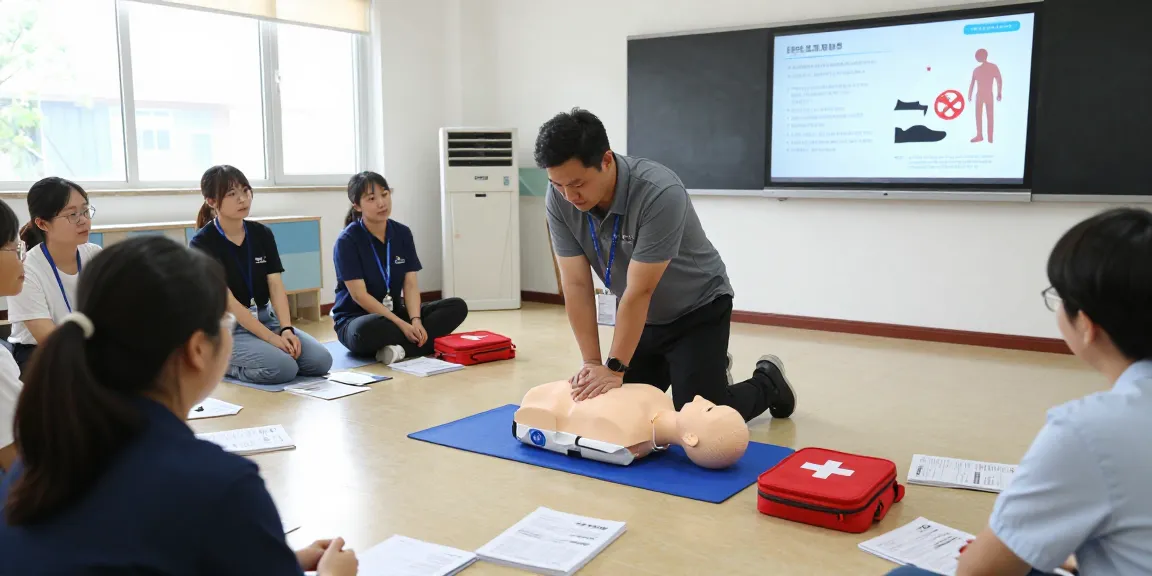
Understanding the Importance of Little Anne QCPR Training
In today’s fast-paced world, knowing how to respond in an emergency can mean the difference between life and death. Cardiopulmonary resuscitation (CPR) is a critical skill that everyone should possess, and Little Anne QCPR training provides a powerful, hands-on approach to mastering these life-saving techniques. By utilizing advanced technology and user-friendly training manikins, such as little anne qcpr, participants can enhance their learning experience and gain the confidence necessary to act in real-life situations.
What is Little Anne QCPR?
Little Anne QCPR is a state-of-the-art CPR training manikin designed to deliver high-quality simulation training for both laypersons and professionals. Equipped with real-time feedback capabilities, this manikin allows trainees to monitor their performance while practicing essential CPR skills. Users can receive immediate metrics on their compression depth and rate, ventilation volume, and other critical metrics that indicate effective CPR techniques. This interactive and engaging approach makes learning CPR not only effective but also enjoyable.
Why CPR Training is Crucial for Everyone
CPR training is vital for countless reasons. According to the American Heart Association, approximately 350,000 cardiac arrests occur outside of hospitals annually in the United States. Quick and effective CPR can double or even triple the victim’s chance of survival. Understanding CPR equips individuals with the skills to respond promptly in emergencies, potentially saving lives. Furthermore, CPR training fosters a sense of responsibility and empowerment, encouraging individuals to take action rather than remaining passive bystanders.
How Little Anne QCPR Enhances Training Outcomes
What sets Little Anne QCPR apart from traditional training methods is its incorporation of technology and real-time feedback. Trainees engaged with this manikin can instantly see how well their techniques measure up against accepted standards. Studies have shown that individuals trained using feedback mechanisms retain information better and perform more efficiently in real-life scenarios compared to those using older manikin models. The engaging nature of Little Anne QCPR allows for effective skill development, making it an invaluable tool in any CPR training program.
Getting Started with Little Anne QCPR
Setting Up for Success: Equipment and Environment
Successful CPR training begins long before the session starts. It’s essential to have the right equipment and create an appropriate learning environment. The Little Anne QCPR manikin should be set up in a space that allows for ample movement and interaction. Ensure that the area is free from distractions and provides enough room for participants to practice. Moreover, instructors should have access to additional training resources such as AED simulators to enrich the learning experience.
Finding Certified Trainers and Courses
When seeking to enhance your CPR skills through Little Anne QCPR, finding certified trainers is crucial. Many organizations, including local hospitals, community centers, and educational institutions, offer accredited CPR courses. It’s essential to choose a program that uses the Little Anne QCPR manikin, as this ensures a consistent learning experience while utilizing the best available resources. Online platforms also provide options for virtual training sessions, making CPR education accessible to everyone.
Preparing Participants for Effective Learning
To maximize the effectiveness of training sessions, it is vital to prepare participants adequately. Ensure that they understand the importance of CPR and the role they play in saving lives. Engaging participants in discussions about their fears and misconceptions regarding CPR can help reduce anxiety and resistance. Providing pre-training materials, such as articles and videos about CPR techniques, can also ease learners into the subject matter and enhance their overall experience.
Common Challenges in CPR Training
Misconceptions About CPR Techniques
One major challenge in CPR training is the prevalence of misconceptions. Many individuals believe that CPR is only useful for adults or that mouth-to-mouth ventilation is necessary in all situations. In reality, CPR is crucial for individuals of all ages, and the latest guidelines emphasize the effectiveness of hands-only CPR in many scenarios. Training programs should address these myths, ensuring that all participants have accurate and current knowledge.
Overcoming Participant Anxiety and Resistance
Participant anxiety can be a barrier to effective CPR training. Many trainees feel overwhelmed at the thought of performing CPR on a real person. Instructors can help mitigate these feelings by creating a supportive environment and offering plenty of hands-on practice with the Little Anne QCPR manikin. Using role-play scenarios can also make the training more relatable, allowing participants to visualize themselves in real-life situations. It’s crucial to demonstrate that making mistakes during practice is a natural part of learning.
Addressing Technical Difficulties with Manikins
Technical difficulties can arise when using training manikins like Little Anne QCPR, particularly with connectivity and feedback systems. To overcome these challenges, instructors should be well-versed in the equipment and perform thorough pre-training checks on the manikins. Having backup manikins available can also ensure that training sessions continue smoothly. Lastly, regular maintenance of equipment will help to avoid complications and ensure the longevity of the training devices.
Best Practices for Maximizing Training Efficiency
Structured Learning Approaches with Little Anne QCPR
To maximize effectiveness, adopting structured learning approaches is imperative when teaching CPR. A well-defined curriculum that includes interactive lectures, practical demonstrations, and hands-on sessions ensures that all aspects of CPR are covered thoroughly. Using the Little Anne QCPR man’s feedback system, instructors can tailor their lessons to address specific areas where trainees may struggle, making the learning process more efficient and targeted.
Integrating Hands-On Practice with Classrooms
Integrating hands-on practice with traditional classroom instruction can enhance the learning experience. By alternating between theory and practice, participants can better understand concepts and apply them in real-time scenarios. Training sessions should allocate substantial time for participants to practice on the Little Anne QCPR manikin, as this hands-on experience is crucial for skill retention. Encourage learners to ask questions and engage in collaborative practice with their peers.
Tracking Progress and Measuring Performance
Tracking progress and measuring performance are essential to improving training outcomes. Instructors should establish clear metrics for success, such as the quality of chest compressions and ventilation skills. Utilizing the feedback provided by the Little Anne QCPR manikin can help both instructors and participants identify areas of improvement and recognize skill mastery. Consider implementing a system where participants can set personal goals and reflect on their progression throughout the course.
Future of CPR Training and Little Anne QCPR
Emerging Trends in CPR Education (2026 and Beyond)
As we move into 2026 and beyond, CPR education continues to evolve. Innovations in technology, such as virtual reality (VR) and augmented reality (AR), are paving the way for more immersive training experiences. The integration of these technologies with devices like Little Anne QCPR can provide trainees with realistic simulations that prepare them for real-life emergencies. Additionally, increased awareness around mental health will underscore the importance of not only teaching CPR but also educating individuals on the emotional aspects of handling emergencies.
Innovative Technology Enhancing CPR Training
Advancements in technology are crucial for modernizing CPR training. The introduction of AI-driven training platforms alongside Little Anne QCPR will allow for customized learning experiences that adapt to each participant’s strengths and weaknesses. These platforms can analyze performance data over time, giving trainers insight into how to adjust their teaching strategies for better outcomes. Moreover, mobile applications for on-the-go learning will provide an added convenience for trainees looking to enhance their skills.
Expert Insights on Lifelong Learning in CPR
Lifelong learning in CPR training is essential for maintaining competence and confidence in emergency situations. Experts recommend that individuals refresh their CPR skills every couple of years, particularly as guidelines and techniques evolve. Continuous training ensures that learners remain familiar with the latest practices, reinforcing their ability to respond effectively in emergencies. Through ongoing education, individuals not only enhance their skills but also promote a culture of preparedness within their communities.
What is the duration of a Little Anne QCPR training session?
The duration of a typical Little Anne QCPR training session can vary depending on the course structure and level of certification being pursued. Most sessions last between 2 to 4 hours, providing ample time for both theoretical understanding and hands-on practice. Instructors often allocate time at the end of the session for review and questions, ensuring that participants leave with a solid grasp of the necessary skills.
How effective is Little Anne QCPR in real-life situations?
Studies indicate that individuals trained with Little Anne QCPR show significantly better retention of CPR skills compared to those trained with static manikins. The real-time feedback mechanism enhances the training experience, preparing participants to act more decisively and effectively in real-life emergencies. The confidence gained from practicing on a manikin that closely simulates a human response equips learners better for real-world application.
Can anyone learn CPR using Little Anne QCPR?
Yes, anyone can learn CPR using Little Anne QCPR! The manikin is designed for a wide range of users, from healthcare professionals to laypersons. Its intuitive design and the accompanying feedback system make it accessible for learners of all skill levels. Organizations often tailor their training sessions to accommodate diverse audiences, ensuring that everyone leaves with vital CPR skills.
What are the key skills taught through Little Anne QCPR?
The key skills taught through Little Anne QCPR training include effective chest compressions, proper hand placement, correct compression depth and rate, and safe ventilation techniques. Additionally, the training emphasizes the importance of teamwork and communication when responding to emergencies, ensuring that participants understand the broader context of CPR in real-life situations.
Are there certifications available for CPR trainees?
Yes, upon completion of CPR training utilizing Little Anne QCPR, participants can often obtain certifications from recognized organizations, such as the American Heart Association or the Red Cross. These certifications not only validate the individual’s skills but also enhance their credentials, making them more effective responders in emergencies.


